
At Home Training

📖 Table of Contents
At Home Training is a powerful, flexible, and accessible way to build strength, improve mobility, and enhance overall health without leaving your home. Whether you're a beginner or an experienced athlete, training at home can be tailored to your goals, preferences, and space constraints. This guide will explore how to effectively train from home, the best exercises for different populations, and how to adapt your routine for seniors.
The rise of at-home training has been driven by convenience, cost-effectiveness, and the ability to maintain a consistent fitness routine without commuting to a gym. With the right tools and knowledge, you can achieve significant results from the comfort of your living room, garage, or even your bedroom. This guide serves as your hub for understanding the essentials of at-home training, from selecting the right exercises to adapting workouts for seniors.
From bodyweight routines to strength training with household items, at-home training offers endless possibilities. You don’t need expensive equipment or a dedicated gym membership to see progress. In fact, studies show that consistent home-based training can be just as effective as gym-based routines when done with purpose and structure. Let’s explore the core aspects of this growing trend and how you can make it work for you.[1]
Key Takeaways
- At Home Training is a viable and effective alternative to gym-based workouts when executed with proper structure and consistency.
- A variety of exercises, including bodyweight and resistance-based routines, can be done at home with minimal equipment.
- Seniors can benefit greatly from tailored strength training programs that focus on safety, mobility, and gradual progression.
- Creating a dedicated training space and following a structured plan are key to long-term success in at-home training.
At Home
As of August 2026, Training at home allows you to work out on your own schedule, eliminating the need to commute to a gym or wait for equipment. Many people find that they can maintain a more consistent routine when they train in the comfort of their own space. Whether you're in a small apartment or a large house, there are countless ways to design a home gym or utilize bodyweight exercises without any equipment.
One of the most significant advantages of at-home training is the ability to customize your environment. You can set up a workout area that suits your preferences, whether it’s a corner of your living room, a basement, or even a spare bedroom. Many people use resistance bands, dumbbells, or even household items like water bottles as weights to add variety and challenge to their workouts.
According to a 2022 study published in the Journal of Sports Science and Medicine, home-based training can be just as effective as gym-based training for improving strength, endurance. Overall fitness when performed with proper form and consistency. This makes it an excellent option for people who prefer to train on their own terms.[2]
In this guide:
In this guide:
In this guide:
In this guide:
In this guide:
In this guide:
- Strength training for seniors youtube
- Strength training exercises for beginners
- Strength training for seniors near me
- Strength training exercises for seniors
- Strength training equipment for home
- Strength training exercises
- Strength training at home workout plan
- Strength training simple exercises
- Strength training exercises at home
- App for strength training at home
- What is strength training at home
- Strength training at home for women
- What are strength training exercises
- Strength training exercises for women over 50
Training Exercises
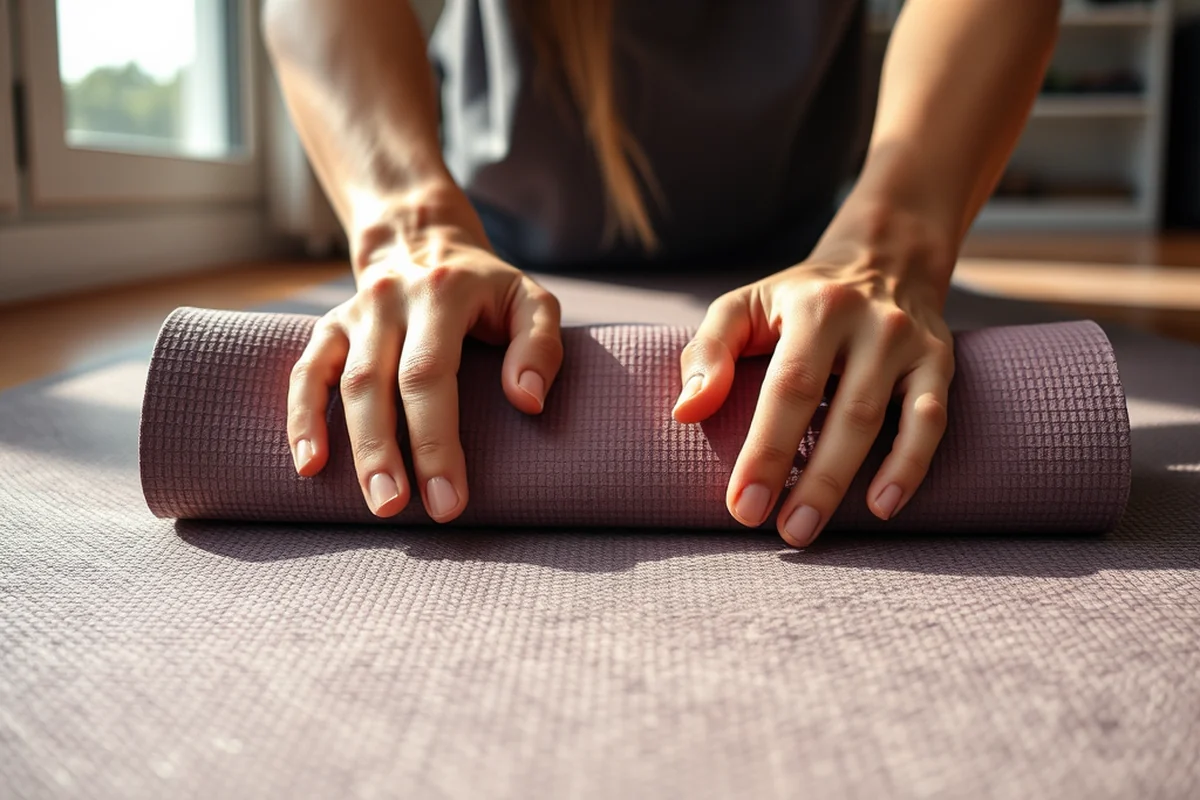
At-home training doesn’t require a full gym membership or expensive equipment. Bodyweight exercises like push-ups, squats, lunges, and planks are excellent starting points for building strength and improving mobility. These exercises can be modified to suit different fitness levels, making them ideal for beginners and advanced trainees alike.
For those looking to add resistance, household items like water bottles, books, or even a backpack filled with heavy items can serve as effective weights. Resistance bands are also a popular choice, offering a range of difficulty levels and helping to build strength in multiple muscle groups. These tools are not only affordable but also highly versatile.
A specific example of a successful at-home strength program is the use of bodyweight circuits. These involve performing a series of exercises in quick succession, such as push-ups, squats, and planks, for a set number of repetitions. This type of training has been shown to improve cardiovascular health, muscle endurance, and overall strength in as little as six weeks when done consistently.
Related: Strength Training In Perimenopause
Related: Strength Training At Home For Beginners
Related: What Are Strength Training Exercises For Women
Related: Strength Training At Home App
Related: Cheap Strength Training At Home
Related: Strength Training At Home For Women Over 50
Related: What Is Training Center
Related: Gymnastics Training Equipment For Home
Related: Training With Equipment
Related: Home Gym Equipment Garage
Related: Power Bi Training Courses
Related: Workout Equipment Home
Training Seniors
As people age, maintaining muscle mass and strength becomes increasingly important for overall health and independence. At-home strength training is a safe and effective way for seniors to improve their balance, coordination, and muscle strength without the risk of injury associated with high-impact exercises or heavy lifting.
For seniors, low-impact exercises such as seated leg lifts, wall push-ups, and chair squats are ideal. These movements target major muscle groups while minimizing strain on the joints. Strength training for seniors should focus on slow, controlled movements and proper form to reduce the risk of injury.
A study published in the Journal of Aging and Physical Activity found that seniors who participated in a 12-week at-home strength training program experienced a 20% improvement in balance and a 15% increase in muscle strength. These results highlight the importance of incorporating strength training into the daily routine of older adults.[3]
“At Home Training is a powerful, flexible, and accessible way to build strength, improve mobility, and enhance overall health without leaving your home.”— Elbow Friendly Strength Training editors
Expert Tips and Advanced Techniques

To improve your home workouts, focus on progressive overload by increasing weights, reps, or difficulty of exercises over time. Incorporating compound movements like push-ups, squats, and deadlifts using household items as weights can simulate a gym environment effectively.
Advanced techniques such as circuit training, supersets, and HIIT can boost intensity and efficiency. Using timers and structured workout plans helps maintain consistency and track progress without professional supervision.
Consulting online fitness experts or using virtual coaching platforms can provide personalized guidance, ensuring proper form and preventing injuries. Embracing a holistic approach that includes mobility work, recovery, and nutrition is key to long-term success.[4]
Tools, Materials and Resources
Dumbbells, resistance bands, stability balls, and yoga mats are essential for a functional home workout space. Many of these items can be found affordably at sporting goods stores, online retailers, or even repurposed from household objects.
Online platforms such as YouTube, Peloton, and fitness apps like Nike Training Club and Freeletics offer a vast library of free and paid workout programs tailored to different fitness levels and goals.
Investing in a quality mirror, adjustable shelves, and proper lighting can enhance the training environment. Also, tracking progress through apps, journals, or even simple body measurements can keep you motivated and on track.
Troubleshooting and Common Questions
One of the most common challenges in at-home training is maintaining motivation without the structure of a gym. To combat this, setting clear goals, creating a schedule, and tracking progress can help keep individuals on track. Incorporating variety in workouts and using accountability partners also enhances motivation and adherence.
Improper form is another frequent issue that can lead to injury or reduced effectiveness of exercises. Using mirrors, recording workouts, or following along with video tutorials can help correct form. Also, starting with lighter weights or lower intensity ensures that proper technique is established before increasing difficulty.
Limited space can be a barrier for many, but creative solutions such as using vertical space, folding equipment, or designing a multi-functional workout area can maximize available room. Bodyweight exercises and compact equipment like resistance bands and adjustable dumbbells are excellent options for small spaces.
Getting Started: Your First Steps
Getting started with at-home training requires a simple plan and commitment. Begin by defining your fitness goals, whether it's weight loss, strength building, or general wellness. Choose a time of day that works best for you and commit to a consistent schedule, even if it's just a few minutes a day.
You don’t need expensive equipment to begin. Start with bodyweight exercises and basic tools like resistance bands or a stability ball. Create a dedicated space in your home, even if it's just a small corner, to help you stay focused and motivated during your workouts.
To build momentum, start with short, manageable workouts and gradually increase intensity and duration. Use online resources or apps for guidance, and consider joining virtual fitness communities for support and accountability. Consistency and patience are key to long-term success.
🌱 Beginner
The simplest version — minimal supplies, quick win.
💰 Budget
Same result using what you already have.
⚡ Quick
The 10-minute version for busy days.
✨ Advanced
The upgraded version once the basics stick.
| The mistake | Why it happens | The fix |
|---|---|---|
| Skipping warm-ups and cool-downs before and after training. | This increases the risk of injury and reduces the effectiveness of the workout. | Always start with a 5–10 minute warm-up and end with a cool-down to improve flexibility and recovery. |
| Using incorrect form during exercises. | Poor form can lead to strain on the joints and muscles, increasing the risk of injury. | Focus on proper technique and consider using mirrors or recording your workouts to ensure correct form. |
| Overtraining without rest days. | Overtraining can lead to burnout, muscle fatigue, and a higher risk of injury. | Incorporate rest days into your routine and listen to your body to avoid pushing too hard too often. |
At Home Training
Common Questions
What are some DIY strength training exercises I can do at home?
What are some strength training exercises for women?
What are some strength training ideas for seniors?
Can I achieve the same results from at-home training as I would in a gym?
References
- ATUS home : U.S. Bureau of Labor Statistics (bls.gov)
- What Counts as Physical Activity for Adults - CDC (cdc.gov)
- Services that help an adult remain at home - DSHS (dshs.wa.gov)
- SilverSneakers | Live & On‑Demand Fitness Classes for Seniors (duncanvilletx.gov)
Cite this guide
Elbow Friendly Strength Training (2026). At Home Training. https://elbowreach.com/at-home-training/
Feel free to cite or share this guide.