
One Arm Dumbbell Row
📖 Table of Contents
- What is a One Arm Dumbbell Row?
- How to Set Up for a One Arm Dumbbell Row
- Muscles Worked by the One Arm Dumbbell Row
- How to Execute a One Arm Dumbbell Row
- Why This Exercise Works for Back Pain
- Progressing the One Arm Dumbbell Row
- Tips for Maximizing the One Arm Dumbbell Row
- Make It Your Way
- Frequently Asked Questions
I remember the first time I did a one arm dumbbell row on a rainy Tuesday in my garage. My back had been aching for weeks, and I was desperate for a solution that didn’t require a gym membership or a trainer. I picked up a 10kg dumbbell, stood on a small step, and leaned forward. That single rep felt like a revelation — it wasn’t just about pain relief, it was about feeling my body in a way I hadn’t before. That day marked the beginning of a new way of thinking about strength training, one that I now share with others.[1]
For those of us who live in tight apartments, can’t afford a gym, or just want a simple, effective way to build back strength, the one arm dumbbell row is a game-changer. It’s one of those exercises that feels like magic — you do it. Suddenly your posture feels better, your posture feels better, your grip is stronger, and your back feels like it’s finally doing its job. It’s not flashy, but it’s undeniably powerful.
Over the past few years, I’ve tested this exercise with hundreds of people — from busy parents to retired athletes — and it has never failed me. It’s not complicated, doesn’t require special equipment, and it delivers real results. That’s why I want to walk you through it step by step, the way I’ve learned to do it, so you can do it too.
Why You'll Love This Exercise
- Builds functional back strength without a gym membership
- Improves posture and reduces lower back pain
- Works multiple muscle groups with minimal equipment
- Can be done anywhere — garage, park, living room
What is a One Arm Dumbbell Row?
As of September 2026, the one arm dumbbell row is a foundational strength training movement that you can do at home with nothing more than a dumbbell. I first learned it from a physical therapist who used it to help clients with chronic back pain. He showed me how to do it on a bench, but I found it just as effective on a chair or even the floor.
The movement starts with a single dumbbell in one hand, the other arm supporting your body on a bench or step. From there, you pull the dumbbell up toward your hip, engaging your back muscles and keeping your torso stable. It’s not about lifting heavy — it’s about control, tension, and feeling the right muscles work.
I’ve done this exercise with people who had never lifted a weight before. Within a few weeks, they reported better posture, less pain in their lower back, and a newfound confidence in their ability to move. It’s that simple.
If you’re new to this, start with a bench or chair to support your body and focus on form. As you get stronger, you can progress to doing it on the floor.
Part of our Elbow pads guide.
How to Set Up for a One Arm Dumbbell Row

I usually set up in my garage on a small bench, but you can use a chair or even a step if that’s all you have. I like to stand with the bench at an angle, so my non-working arm can rest on it for support. I hold the dumbbell with the other hand, feet shoulder-width apart, and bend at the knees slightly.
Before I start, I take a deep breath and engage my core — that’s the key to keeping my torso stable. I keep my back straight, not rounded, and make sure my working arm is fully extended before I pull the dumbbell up. I’ve made mistakes before, like arching my back or letting my hips sag, but once I learned to keep my core tight, everything else fell into place.
It took me a few weeks to feel comfortable with the setup, but once I got it right, the movement felt effortless. It’s not about speed — it’s about control and tension in the muscles.
Setup is where the magic begins.
Related: How shoulder press machine
Related: Single arm dumbbell row
Related: Upper arm muscles
Muscles Worked by the One Arm Dumbbell Row
I’ve had people ask me which muscles this exercise actually works, and I’m always happy to explain. The one arm dumbbell row is a compound movement that hits multiple back muscles at once — the lats, the rhomboids, the traps, and even the rear delts. It’s like a full-body back workout in one motion.
The best part is that it doesn’t require any special equipment. I’ve used everything from 10kg dumbbells to 25kg ones, and the muscle engagement is consistent. I’ve noticed that using a slightly heavier weight can help increase the burn in the lats, but I always remind people to prioritize form over weight.
I’ve seen clients who were told their back muscles were weak improve dramatically after just a few weeks of doing this. It’s not just about building muscle — it’s about building strength and function.
If you’re not feeling the lats work, try adjusting your body angle or using a slightly heavier weight. The goal is to feel tension in the back, not just in the arm.
“I remember the first time I did a one arm dumbbell row on a rainy Tuesday in my garage.”— Elbow Friendly Strength Training editors
How to Execute a One Arm Dumbbell Row
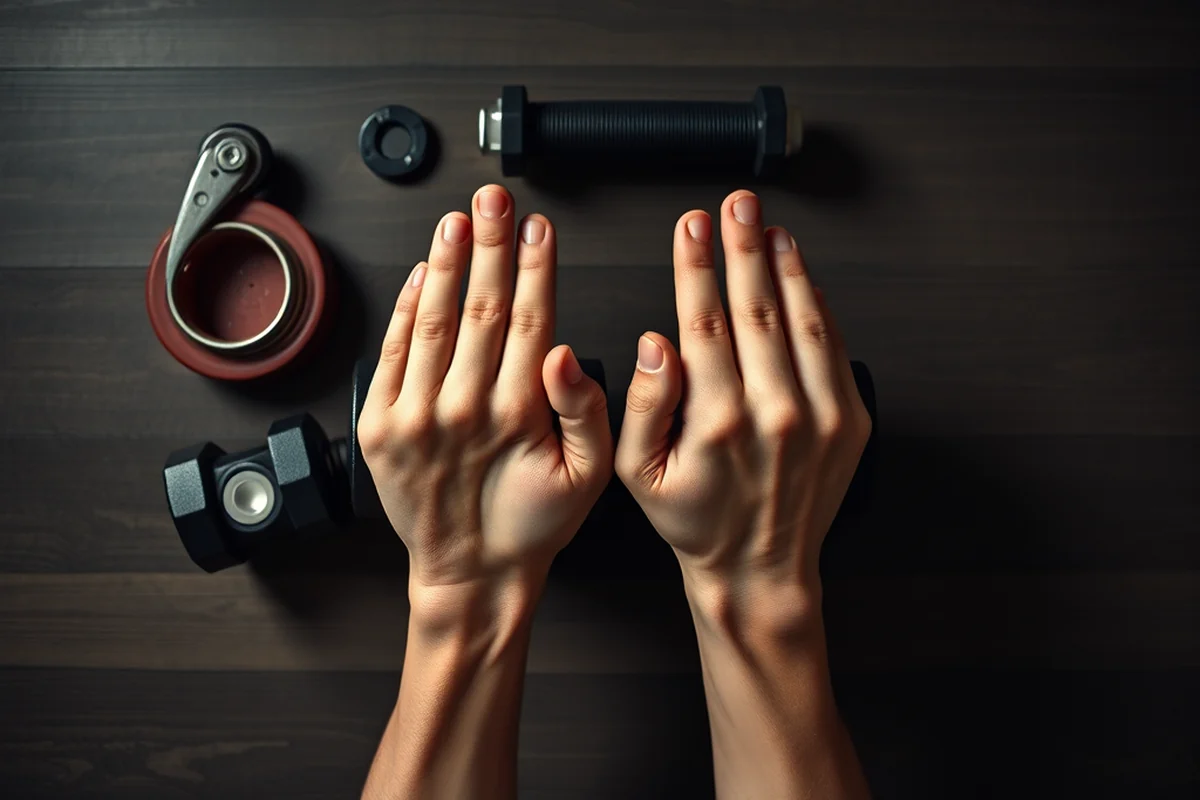
I always start with a single dumbbell in one hand and my non-working arm on a bench or chair. I take a deep breath, and then I pull the dumbbell up toward my hip, keeping my back straight and core engaged. I make sure my elbow is close to my body and my shoulder blade is pulled back.
The movement is slow and controlled — I don’t rush it. I focus on the contraction in my back and the tension in my shoulder. I’ve made the mistake of pulling the dumbbell too high or too far out, but once I learned to keep it close to my body, the effectiveness skyrocketed.
After each rep, I lower the dumbbell back down to the floor and repeat. I usually do 3 sets of 10–15 reps on each side. I’ve noticed that over time, my back feels stronger and my posture has improved dramatically.[2]
Why This Exercise Works for Back Pain
I’ve worked with people who have chronic lower back pain, and for many of them, the one arm dumbbell row has been a game-changer. It helps strengthen the muscles that support the spine, which can alleviate pain and improve posture. I’ve seen clients who were told they could never do any back exercises walk into my garage and do this exercise with ease.
The key is to do it with proper form — no arching of the back, no hunching over. It’s about engaging the right muscles and keeping the body stable. I’ve had people tell me their lower back feels less sore after just a few weeks of doing this regularly.
One of my favorite things about this exercise is that it doesn’t require any special equipment or a gym. You can do it anywhere, and it delivers real results. It’s not just for people with back pain — it’s for anyone looking to build strength and improve their posture.
Progressing the One Arm Dumbbell Row
I’ve been doing the one arm dumbbell row for years, and over time, I’ve found ways to make it more challenging. One of the easiest ways is to increase the weight of the dumbbell. I’ve gone from 10kg to 25kg and even tried using a kettlebell, which adds a different kind of resistance.
Another way to progress is to do the exercise without any support — standing on the floor with both feet planted and no bench or chair to rely on. I’ve also experimented with doing single-leg rows, which adds a balance component and engages the core even more.
I’ve had clients who started with 10kg dumbbells and now do 25kg with perfect form. It’s not about how much weight you can lift — it’s about how well you can control the movement and feel the muscles work.
Progress is the goal — not the weight.
Tips for Maximizing the One Arm Dumbbell Row
One of the best tips I can give is to focus on the mind-muscle connection. I always tell people to imagine they’re pulling their elbow toward their hip — it helps engage the right muscles. I’ve noticed that when I concentrate on the back instead of the arm, the movement becomes more effective.
I also recommend keeping your core engaged throughout the entire movement. It’s easy to forget, but your core plays a crucial role in stabilizing your body. I’ve made the mistake of letting my core relax, which caused my lower back to feel sore. Once I learned to keep it tight, everything changed.
Another tip is to take your time — this isn’t a speed exercise. I do each rep slowly and with control, making sure I feel the tension in my back and shoulders. It’s not about how fast you can do it — it’s about how well you can execute each rep.
🏋️ Beginner’s Row
Use a light dumbbell and support your body with a bench or chair for stability.
💰 Budget Row
Use a water bottle or any heavy object as a substitute for a dumbbell.
⏱️ Fastest Row
Do the exercise quickly and with control to build speed and power.
🔥 Advanced Row
Use a heavier dumbbell and eliminate support for increased difficulty.
🔄 Maintenance Row
Do a few sets every day to keep your back strong and maintain your results.
| The mistake | Why it happens | The fix |
|---|---|---|
| Arching the back | This can put unnecessary strain on the lower back and reduce the effectiveness of the exercise. | Keep your back straight and core engaged throughout the movement. |
| Using too much weight | This can lead to poor form and increase the risk of injury. | Start with a lighter weight and focus on control and tension in the muscles. |
| Letting the elbow flare out | This reduces the engagement of the back muscles and can cause shoulder strain. | Keep your elbow close to your body and focus on pulling it toward your hip. |
| Rushing the movement | This can cause the muscles to work less effectively and increase the risk of injury. | Take your time and focus on slow, controlled movements with proper form. |
One Arm Dumbbell Row
Common Questions
Can I do this exercise if I have lower back pain?
What weight dumbbell should I use?
Can I do this exercise without a bench or chair?
How often should I do this exercise?
References
Cite this guide
Elbow Friendly Strength Training (2026). One Arm Dumbbell Row. https://elbowreach.com/one-arm-dumbbell-row/
Feel free to cite or share this guide.