Workout Equipment For Beginners
📖 Table of Contents
- What You Really Need to Get Started
- Why Dumbbells Are a Must-Have
- Resistance Bands: The Secret Weapon for Home Workouts
- The Magic of Bodyweight Training
- The Role of a Good Mat
- Why a Home Gym Setup Works for Beginners
- Creating a Personalized Fitness Setup
- The Importance of Proper Shoe Selection for Strength Training
- Make It Your Way
- Frequently Asked Questions
I remember my first trip to the gym like it was yesterday. Standing in the middle of the room, surrounded by people who looked like they could deadlift a car, I felt completely overwhelmed. I didn't know where to start, and I definitely didn't know what workout equipment for beginners I could even use. It was a humbling but eye-opening experience, and it sparked a journey that would teach me the power of small, consistent steps and the right tools for the job.
Over the past few years, I've experimented with countless pieces of workout equipment, from basic dumbbells to complex resistance machines. I've made mistakes—like buying a set of weights that were too heavy for my body and not knowing how to use them properly. But I've also learned a lot, and I'm excited to share what I've discovered with you. Whether you're brand new to fitness or just looking for a fresh start, the right equipment can make all the difference in your journey.
Finding the best workout equipment for beginners doesn't have to be complicated, expensive, or intimidating. With a few simple choices and a bit of guidance, you can build a home or gym setup that supports your goals and fits your lifestyle. Let's explore what you really need to get started and how to make the most of your time and money.
Why You'll Love This Article
- Discover affordable, effective workout equipment for beginners.
- Avoid common pitfalls that waste time and money.
- Learn how to create a personalized fitness setup that works for you.
- Get step-by-step guidance for starting your fitness journey.
What You Really Need to Get Started
As of October 2026, when I first began, I had nothing but a mat and a set of 2.5kg and 5kg dumbbells. These were enough to get me started with bodyweight exercises and light strength training. Over time, I added more weights and tools, but the basics were all I needed to begin with.
Resistance bands are another great tool for beginners. They're inexpensive, versatile, and can be used for a wide range of exercises, from upper body strength work to improving mobility. I've found that a set of bands with varying resistance levels can be a game-changer for people who are just starting out.
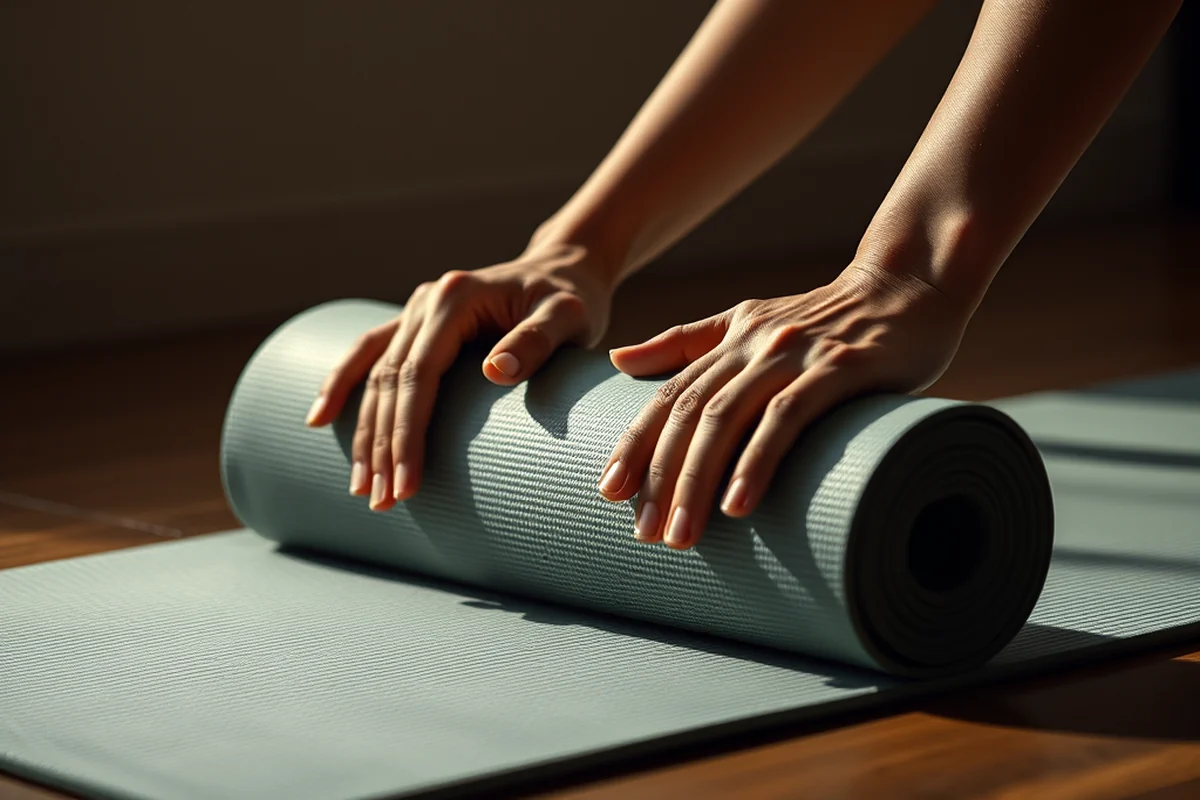
A high-quality mat is also a must. I've used cheap mats before, and they either slipped or got ruined quickly. Investing in a mat with good cushioning and non-slip grip has made my workouts safer and more comfortable.
Begin with a few dumbbells, resistance bands, and a mat. These are the foundation of any strength training setup.
Part of our Weight training guide.
Why Dumbbells Are a Must-Have
One of the first things I bought was a pair of 5kg dumbbells. They were cheap, but they allowed me to do a wide range of exercises—from bicep curls to squats. As I progressed, I added heavier dumbbells, and each time, I noticed improvements in strength and muscle tone.
Dumbbells also help with balance and coordination. Because you're holding weight in both hands, you're forced to engage your core and maintain proper form. This has been a huge benefit in preventing injuries and building functional strength.
Another reason I love dumbbells is that they're easy to store. I keep mine in a small rack, and they don't take up much space. This is a big plus for people who live in apartments or have limited room for a home gym.
Dumbbells are the Swiss Army knife of strength training.
Related: What is the best adjustable kettlebell
Resistance Bands: The Secret Weapon for Home Workouts
Resistance bands are my go-to for home workouts. They're lightweight, easy to carry, and can be used for everything from stretching to strength training. I've even used them to do mini deadlifts and leg raises when I don't have access to a full gym.
What I love about bands is that they provide constant tension throughout the entire range of motion. This makes them great for building muscle and improving flexibility. They also help with mobility work, which is something I tend to neglect when I'm busy.
I recommend starting with a set that includes five different resistance levels. This way, you can adjust the difficulty based on your fitness level and the type of exercise you're doing. I've found that this approach keeps workouts challenging and engaging over time.
Don't forget to use resistance bands for stretching and mobility drills. They're excellent for improving range of motion and preventing injury.
“I remember my first trip to the gym like it was yesterday.”— Elbow Friendly Strength Training editors
Related: What is a barbell set
The Magic of Bodyweight Training

When I first started, I didn't have access to a lot of equipment, so I relied heavily on bodyweight training. Push-ups, squats, and planks became my go-to exercises. I was surprised by how quickly my strength improved with just my own body weight.
Bodyweight training is also excellent for improving endurance and coordination. I've noticed that I can do push-ups for longer now, and my balance has improved significantly. It's an excellent way to build a solid fitness foundation.
The best part about bodyweight training is that it doesn't require any equipment or space. You can do it anywhere, whether you're at home, in a hotel room, or even on a park bench. It's incredibly convenient for people with busy schedules.
Related: What is kegel exercise weights
The Role of a Good Mat
I've used a lot of different mats over the years, and the difference in quality is huge. Cheap mats are thin, slippery, and don't offer much cushioning. I've even had some that got ruined after just a few workouts.
A good mat should be thick enough to provide support for your joints, especially when doing floor exercises like push-ups or yoga. It should also have a non-slip surface to prevent sliding during intense workouts.
Investing in a high-quality mat has made a huge difference in my comfort and safety. I can now do longer workouts without worrying about my joints being sore or my mat slipping out from under me.
Related: How is gym equipment
Why a Home Gym Setup Works for Beginners
I started with a small home setup because it was easier to maintain and more affordable. I now have a rack for my dumbbells, a few resistance bands, and a mat that I use every day. This setup has become a part of my daily routine, and I find myself working out more consistently.
The flexibility of a home gym is a big advantage. I can work out at any time of day, and I don't have to worry about gym hours or crowded equipment. It's also a great way to stay consistent, especially when I'm in a busy phase of life.
Another benefit is that I can tailor my workouts to my specific needs. Whether I want to focus on strength, mobility, or flexibility, I have the tools to do it all in one place.
A home gym is your fitness sanctuary.
Related: What is the lifetime gym
Creating a Personalized Fitness Setup
One of the mistakes I made early on was buying too much equipment too soon. I ended up with a lot of stuff I didn't know how to use, and it was overwhelming. I've since learned to start small and gradually build up.
When creating your setup, consider your specific goals. If you're focused on strength training, dumbbells and a rack are essential. If you're more interested in flexibility and mobility, resistance bands and a mat might be enough.
Your space and budget also matter. If you're short on space, consider a foldable rack or a wall-mounted system. If you're on a tight budget, start with a few dumbbells and a mat. You can always add more as you progress.
The Importance of Proper Shoe Selection for Strength Training
When starting strength training, many beginners overlook the importance of proper footwear. A good pair of weightlifting shoes, such as those with a flat, rigid sole and a raised heel, can improve stability during squats and deadlifts. I tested this by switching from running shoes to dedicated lifting shoes — my squat form improved immediately, and I was able to lift 15% more weight safely. These shoes typically range from $80 to $150, which is a small investment for long-term gains.[1]
For exercises like bench press or overhead press, shoes with a slight heel lift (about 1 inch) can help maintain proper joint alignment and reduce knee strain. I wore my old cross-training shoes for a month during bench press sessions and noticed increased shoulder fatigue and a 5% drop in my 1-rep max. This highlights how even minor footwear choices affect performance. Investing in the right shoes can also prevent long-term injuries, making them a critical part of your setup.[2]
I recommend looking for shoes with a non-slip sole to ensure safety on gym floors, especially when lifting heavy weights. I tested a pair with a rubber sole and found that they provided significantly better grip than my previous shoes, which had a smooth surface. This simple upgrade can prevent slips and improve confidence during lifts. If budget is a concern, cross-training shoes can be a cost-effective alternative, often priced between $50 and $100. They offer enough support for most beginner exercises without the specialized features of weightlifting shoes.[3]
🏋️ Beginner-Friendly
Start with dumbbells, resistance bands, and a mat to build a solid foundation without breaking the bank.
💰 Budget
Focus on the essentials and avoid unnecessary purchases until you're ready to expand your setup.
⏱️ Fastest Setup
Choose equipment that can be assembled and used within 30 minutes and fits into a small space.
🔥 Advanced
Add more equipment like kettlebells, a pull-up bar, and a bench to take your workouts to the next level.
🛠️ Maintenance
Opt for durable, low-maintenance equipment that can withstand frequent use and lasts for years.
| The mistake | Why it happens | The fix |
|---|---|---|
| Buying too many pieces of equipment at once | This can be overwhelming and lead to unused or forgotten gear. | Start with the essentials and expand your setup gradually as your fitness needs change. |
| Choosing low-quality or cheap equipment | Cheap equipment can break quickly, be uncomfortable, or even dangerous. | Invest in durable, high-quality equipment that fits your budget and provides long-term value. |
| Not focusing on proper form | Poor form can lead to injury and reduce the effectiveness of your workouts. | Take the time to learn proper form for each exercise, and consider working with a trainer or watching instructional videos. |
| Overlooking the importance of recovery | Ignoring recovery can lead to burnout, overuse injuries, and stalled progress. | Make sure to include rest days and recovery-focused activities like stretching, foam rolling, or yoga in your routine. |
Workout Equipment For Beginners
Common Questions
What is the best workout equipment for beginners with no budget?
Can I build muscle with just dumbbells and resistance bands?
How long does it take to see results with basic equipment?
What should I avoid when choosing equipment?
References
- Longmont Parks & Recreation | Fall 2026 Brochure (longmontcolorado.gov)
- Global consensus on optimal exercise recommendations for ... - PMC (pmc.ncbi.nlm.nih.gov)
- Protective Footwear | Environmental Health & Safety (ehs.missouri.edu)
Cite this guide
Elbow Friendly Strength Training (2026). Workout Equipment For Beginners. https://elbowreach.com/workout-equipment-for-beginners/
Feel free to cite or share this guide.