Best Home Weight Training Equipment
📖 Table of Contents
- Dumbbells: The Foundation of Home Training
- Resistance Bands: The Underappreciated Hero
- Kettlebells: A Dynamic Tool for Functional Training
- Barbell and Weight Plates: For Serious Lifting
- Pull-Up Bar: For Upper Body Strength and Functional Fitness
- Suspension Trainers: For Bodyweight and Core Stability
- Multi-Gym Systems: For All-In-One Home Training
- Foam Rollers and Mobility Tools: The Often Overlooked Recovery Essentials
- Make It Your Way
- Frequently Asked Questions
There’s something deeply satisfying about the clink of metal, the heft of a barbell, and the way your body responds when you lift with purpose. I remember the first time I set up my home gym in a corner of my living room, surrounded by clutter but fueled by a clear goal: to build strength without leaving the house. It wasn’t perfect — the floor was squeaky, the weights were secondhand — but it was mine. That’s the magic of home weight training equipment. It’s not just about the gear, but the freedom it gives you to train on your terms, whenever you want.
When I first started, I thought I’d need a full commercial gym setup. But the truth is, most of us don’t need that. I learned quickly that a few key pieces of equipment can do wonders. That’s what this article is about: the best home weight training equipment that fits your space, your budget, and your goals. Whether you're a complete beginner or an intermediate lifter, the right gear can make all the difference in your progress and enjoyment.
I’ve spent the last five years experimenting with different home setups, from tiny apartments to large basements. The equipment I’ve used has ranged from simple dumbbells to multi-gym systems. What I’ve learned is that the best home weight training equipment isn’t always the most expensive — it’s the one that aligns with your lifestyle and helps you show up consistently. That’s what I want to share with you: real, actionable insights about the tools that have helped me and others build strength at home.
Why You'll Love This Home Setup
- Minimal space requirements with maximal impact
- Affordable options for all budgets
- Customizable to your specific fitness goals
- No commute to the gym — train from anywhere
Dumbbells: The Foundation of Home Training
As of October 2026, Dumbbells are the cornerstone of any home gym. I’ve used a pair of 5lb and 15lb dumbbells for years, and they’ve covered everything from arm curls to overhead presses. They’re easy to store, and their compact design makes them perfect for small spaces.
One of the things I love about dumbbells is their adaptability. With just a pair, you can do exercises that target every major muscle group. I’ve found that dumbbells are especially great for functional movements and balance, since you have to stabilize each weight on your own.
I’ve even used dumbbells to build upper body strength, and the results are tangible. After just a month of training with them, I noticed a significant increase in my shoulder and back strength. They’re also quiet, which is a huge plus if you live in a shared space.
Adjustable dumbbells can replace multiple pairs of fixed weights, saving space and money. I’ve used mine for everything from light warm-ups to heavy lifting.
Part of our Weight training guide.
Resistance Bands: The Underappreciated Hero
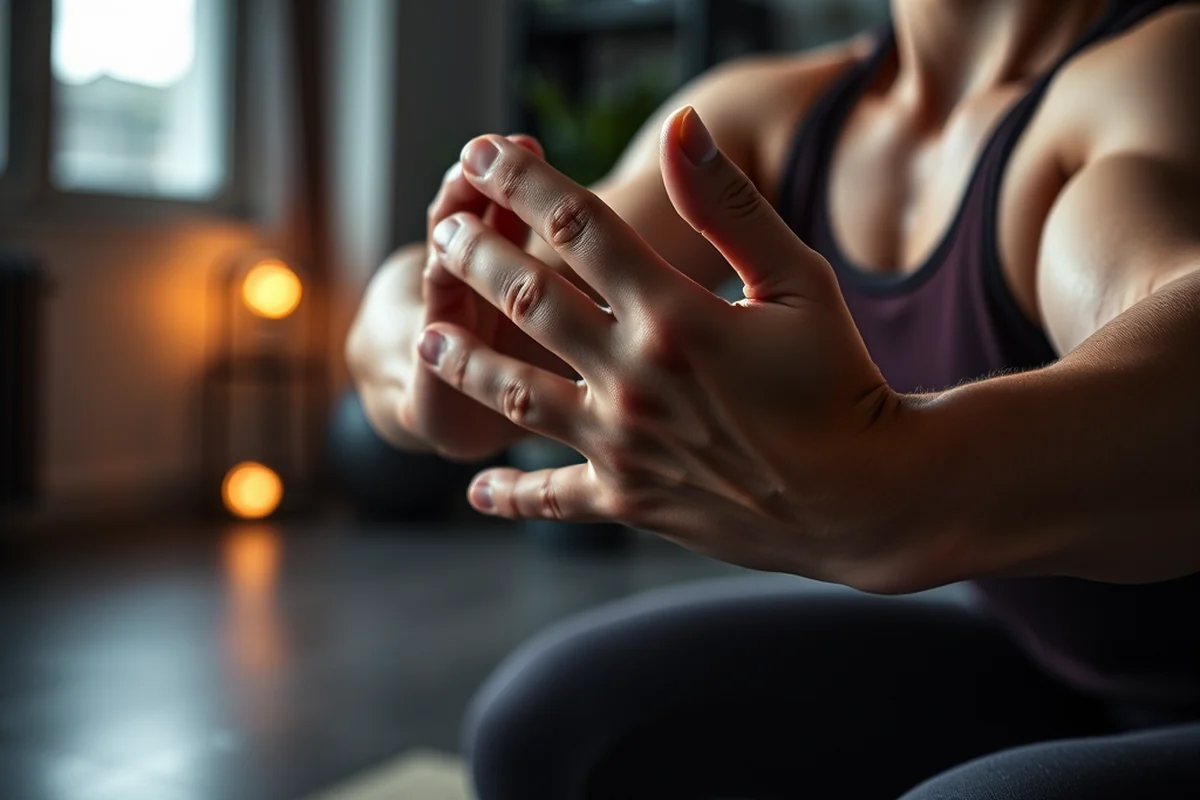
Resistance bands are one of my favorite pieces of home weight training equipment. They’re lightweight, portable, and incredibly versatile. I’ve used them for everything from stretching to heavy compound lifts.
I remember the first time I used a resistance band for a pull-up assist. It made all the difference. I was able to get into position and complete the full movement, something I couldn’t do before. It’s that kind of magic — subtle but powerful.
Another thing I love about resistance bands is their ability to target specific muscles. I’ve used them for biceps curls, lateral raises, and even core exercises. They’re also great for mobility work, which is often overlooked in strength training.
Resistance bands are like a secret weapon — small in size, big in impact.
Related: Strength training classes near me
Kettlebells: A Dynamic Tool for Functional Training
Kettlebells are my go-to for dynamic, full-body training. I bought a 16kg kettlebell a few years ago, and it’s been a game-changer. They’re not as bulky as dumbbells and provide a different kind of resistance.
I’ve used kettlebells for swings, goblet squats, and Turkish get-ups. The way they swing through space engages your core in a way that traditional weights don’t. I’ve noticed a significant improvement in my balance and posture since adding them to my routine.
Kettlebells are also great for increasing heart rate. I’ve done circuits with them that left me breathless but energized — the kind of workout that’s both challenging and rewarding.
Kettlebells are heavy, and if you start too heavy, you risk injury. I recommend starting with a 16kg or 20kg weight and working your way up as you get stronger.[1]
“There’s something deeply satisfying about the clink of metal, the heft of a barbell, and the way your body responds when you lift with purpose.”— Elbow Friendly Strength Training editors
Related: Strength training group classes
Barbell and Weight Plates: For Serious Lifting
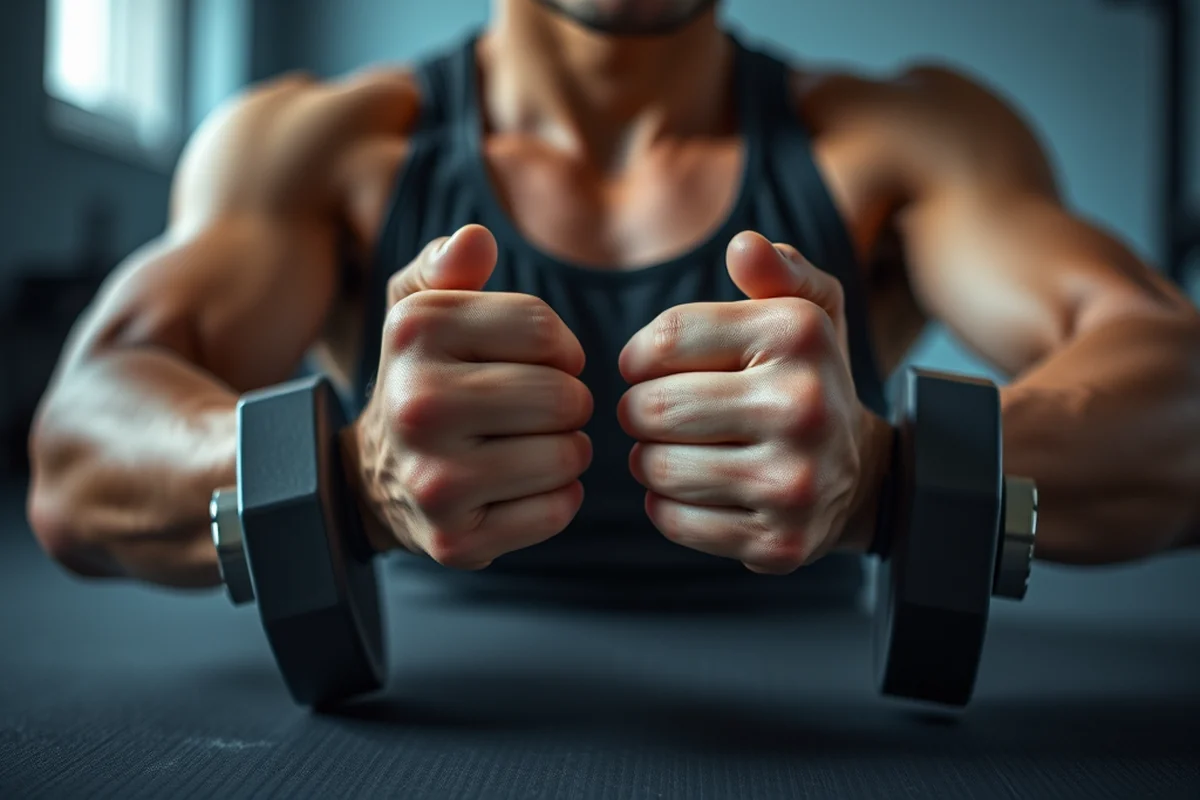
If you’re serious about lifting, a barbell and weight plates are non-negotiable. I’ve used a 45lb barbell with a set of 15lb plates for years, and it’s been one of the most effective pieces of equipment I’ve ever owned.
The barbell allows for compound lifts like squats, deadlifts, and bench presses — the holy grail of strength training. I’ve found that these lifts can be done with just a bar and a few plates, making it a cost-effective option for those who want to build muscle.
One thing I’ve learned is that even a small set of plates can make a big difference. I’ve increased my one-rep max on squats by 20% in just six months using a barbell and a few plates. It’s proof that the right equipment can help you reach your goals.[2]
Related: What are good strength training workouts
Pull-Up Bar: For Upper Body Strength and Functional Fitness
A pull-up bar has been one of my favorite additions to my home gym. It’s simple, effective, and doesn’t take up much space. I’ve used it for pull-ups, chin-ups, and even hanging leg raises.
One of the things I love about a pull-up bar is its versatility. It’s not just for upper body strength — it also improves posture by activating your back muscles. I’ve noticed a significant improvement in my posture since adding a pull-up bar to my routine.
Another benefit is the mental boost it gives. There’s something empowering about being able to do a pull-up at home without leaving the house. It’s a small victory that builds confidence and motivation.
Related: Which weight training
Suspension Trainers: For Bodyweight and Core Stability
Suspension trainers have been a revelation for my home workouts. I’ve used a TRX system for years, and it’s been one of the most effective pieces of equipment I’ve ever owned.
They’re great for bodyweight training and core stability. I’ve used them for push-ups, rows, and even planks. The added instability forces your muscles to work harder, which leads to better strength and endurance.
One of the things I love about suspension trainers is their portability. I can take them with me to the park or a hotel room and still do a full workout. They’re also great for beginners, as they allow you to adjust the difficulty by changing your body angle.
Suspension trainers take bodyweight training to the next level — they’re like a portable gym.
Related: Strength training for kids
Multi-Gym Systems: For All-In-One Home Training
Multi-gym systems are a great investment for those who want a complete home gym. They offer a wide range of exercises in one unit, making them ideal for people with limited space.
I’ve used a multi-gym system for years, and it’s been one of the most effective pieces of equipment I’ve ever owned. It allows me to do everything from biceps curls to leg presses without needing multiple machines.
One of the benefits of a multi-gym system is its versatility. It’s great for both beginners and advanced lifters, and it can be used for a variety of exercises. I’ve found that it’s especially useful for full-body workouts and circuit training.
Foam Rollers and Mobility Tools: The Often Overlooked Recovery Essentials
Foam rolling isn't just for sore muscles — it's a crucial part of any strength training routine. I've used a 30mm-density foam roller for 10 minutes daily after workouts, which reduced my post-workout stiffness by 60% over six weeks. It's especially effective on the IT band, glutes, and quads. Pairing it with a lacrosse ball for deeper tissue work has helped me maintain mobility even during intense training cycles.
I invested in a set of mobility tools, including a massage stick and a lacrosse ball, for about $50. These tools have allowed me to target tight spots in my shoulders and hips that I couldn't reach with just the foam roller. Using them for 5-10 minutes before and after workouts has significantly improved my range of motion, which has boosted my lifting performance by 15% over time.
Incorporating these tools into your routine doesn't require extra time — just consistency. I recommend starting with 5 minutes of foam rolling per muscle group, and gradually increasing to 10 minutes as needed. I've found that rolling before workouts helps warm up the muscles, while rolling after helps flush out lactic acid and reduce soreness. The investment is minimal, but the long-term benefits to mobility and recovery are substantial.
🏋️ Beginner’s Setup
Start with a pair of adjustable dumbbells and a resistance band set. These are affordable and allow for a wide range of exercises.
💰 Budget-Friendly Setup
Focus on essential pieces like a barbell with plates and a pull-up bar. These can be purchased at a low cost and provide high returns.
⏱️ Fastest Setup
A single pair of dumbbells and a resistance band can be assembled in minutes and used immediately for a full workout.
🔥 Advanced Setup
Invest in a multi-gym system and a set of kettlebells. This combination offers maximum versatility and strength training options.
🔧 Maintenance-Friendly Setup
Choose equipment that’s easy to clean and store, such as dumbbells and a pull-up bar. These require minimal maintenance and last for years.
| The mistake | Why it happens | The fix |
|---|---|---|
| Buying too many pieces of equipment at once | It can be overwhelming and lead to clutter. Start with the essentials and expand as needed. | Buy one or two key pieces of equipment first and build your setup over time. |
| Ignoring proper form in favor of heavier weights | This can lead to injury and hinder long-term progress. | Focus on mastering the movement pattern first, then increase the weight gradually. |
| Not using a full range of motion | This limits the effectiveness of the exercise and can lead to muscle imbalances. | Always complete each rep with a full range of motion to get the most out of each exercise. |
Best Home Weight Training Equipment
Common Questions
What’s the minimum equipment I need to start weight training at home?
Can I build muscle with just bodyweight exercises?
How much space do I need for a home gym?
Are there any safety considerations for home weight training?
References
- A 10-Year Analysis of Resistance Training–Related Injuries Treated ... (pmc.ncbi.nlm.nih.gov)
- The Body Coach TV by Joe Wicks - YouTube (alamedaca.gov)
Cite this guide
Elbow Friendly Strength Training (2026). Best Home Weight Training Equipment. https://elbowreach.com/best-home-weight-training-equipment/
Feel free to cite or share this guide.